February 25, 2026
Trees and shrubs contribute beauty, structure, and environmental balance to your landscape, but keeping them healthy requires careful, well-timed pruning. Many homeowners are unsure when to schedule pruning or why timing matters so much for plant health. The truth is that seasonal conditions, species needs, growth patterns, and environmental factors all influence the best time to prune. Working with a local tree company ensures proper care, protects long-term plant health, and prevents costly damage caused by improper pruning techniques or poor timing. According to Simple Spring, tree and shrub pruning services dominate the market, accounting for 44% of the industry. This demonstrates how essential pruning is for both residential and commercial property maintenance. Understanding when to schedule these services gives you better control over your landscape’s vitality and appearance.
Understanding How Seasonal Conditions Affect Pruning Timing
One of the most important factors that determines the best time to prune is the season. Trees and shrubs respond differently to pruning stress depending on temperature, growth cycles, and dormancy periods. A local tree company understands these seasonal patterns and schedules pruning to maximize benefits while minimizing risk.
Winter pruning is ideal for many species because trees are dormant. This reduces sap loss and lowers the likelihood of disease transmission. It also provides clearer visibility of branch structure, allowing specialists to make precise cuts. Spring pruning can help shape new growth, but pruning too early in the season may cause stress while plants are emerging from dormancy. Summer pruning is often used to slow growth or remove damaged limbs after storms. Fall is generally the least favorable time to prune because trees are preparing for winter and are more susceptible to disease.
Understanding how each season affects your landscape allows you to plan pruning more effectively and ensures that your trees and shrubs stay healthy year-round. A local tree company evaluates which seasonal window is most beneficial for your specific plant varieties and property conditions.
Evaluating Tree and Shrub Species to Determine Optimal Timing
Just as seasons influence pruning schedules, species differences play a major role in determining when pruning should occur. Flowering trees, evergreen shrubs, fruit trees, and ornamental plants all require unique timing strategies to support health and encourage ideal growth patterns. A local tree company will assess each plant individually rather than applying a one-size-fits-all approach.
For example, spring-flowering shrubs should typically be pruned immediately after blooming because their buds develop during the previous growing season. Pruning them too early in winter or spring would cut off the buds before they open. Conversely, summer-flowering trees and shrubs often benefit from late-winter pruning because they form buds on new growth.
Evergreens require thoughtful timing as well. Some species tolerate early spring pruning, while others respond better later in the season. Fruit trees need pruning schedules that support strong branch development and maximize fruit production. With so much variation, relying on the expertise of a local tree company ensures that each plant is pruned at the right time to encourage vibrant, healthy growth.
Identifying Signs That Indicate Immediate Pruning Is Needed
While seasonal timing is important, certain conditions require pruning regardless of the time of year. Safety concerns or plant health issues cannot wait for an ideal window. A local tree company can identify urgent warning signs that may require immediate pruning to prevent damage to your property.
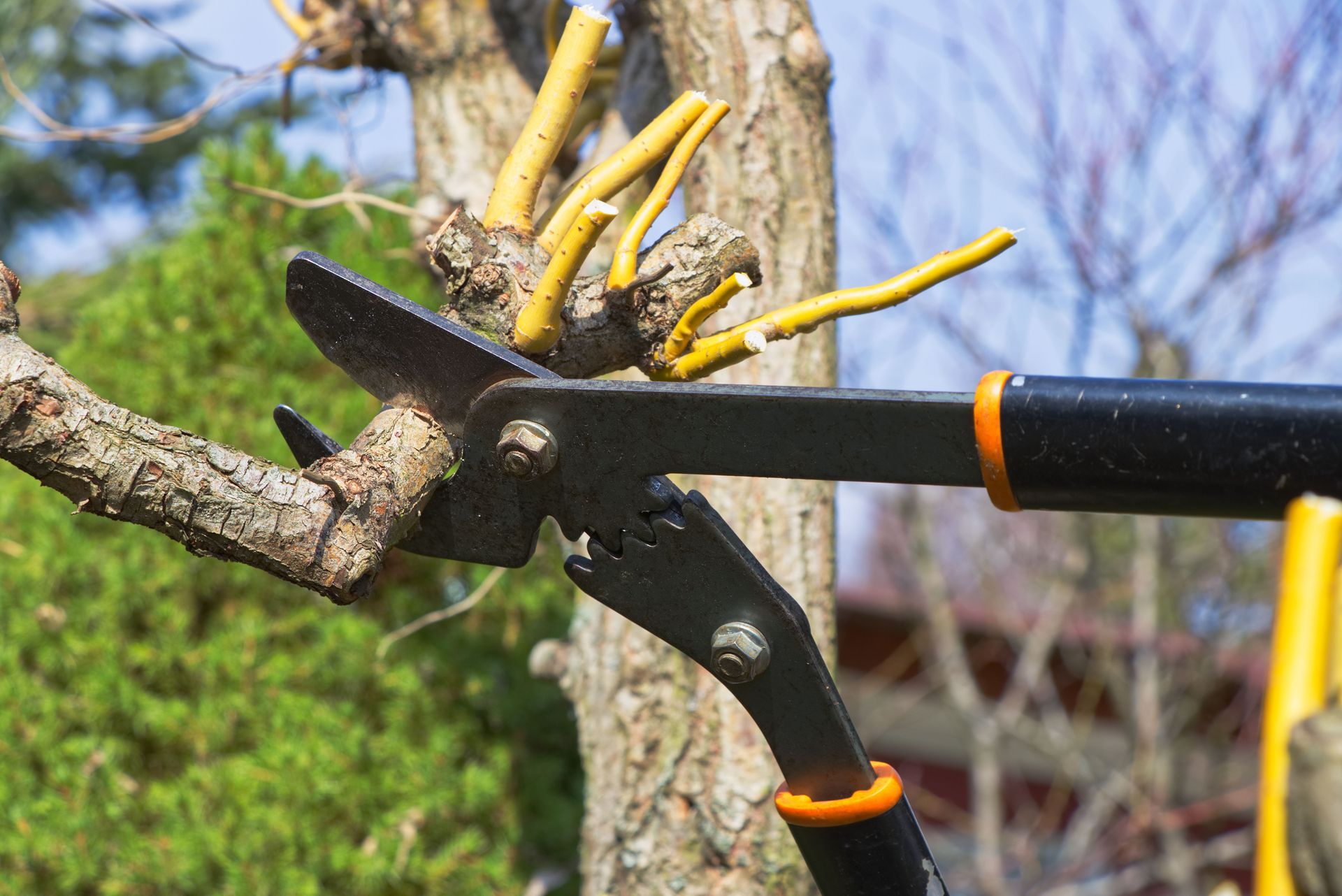
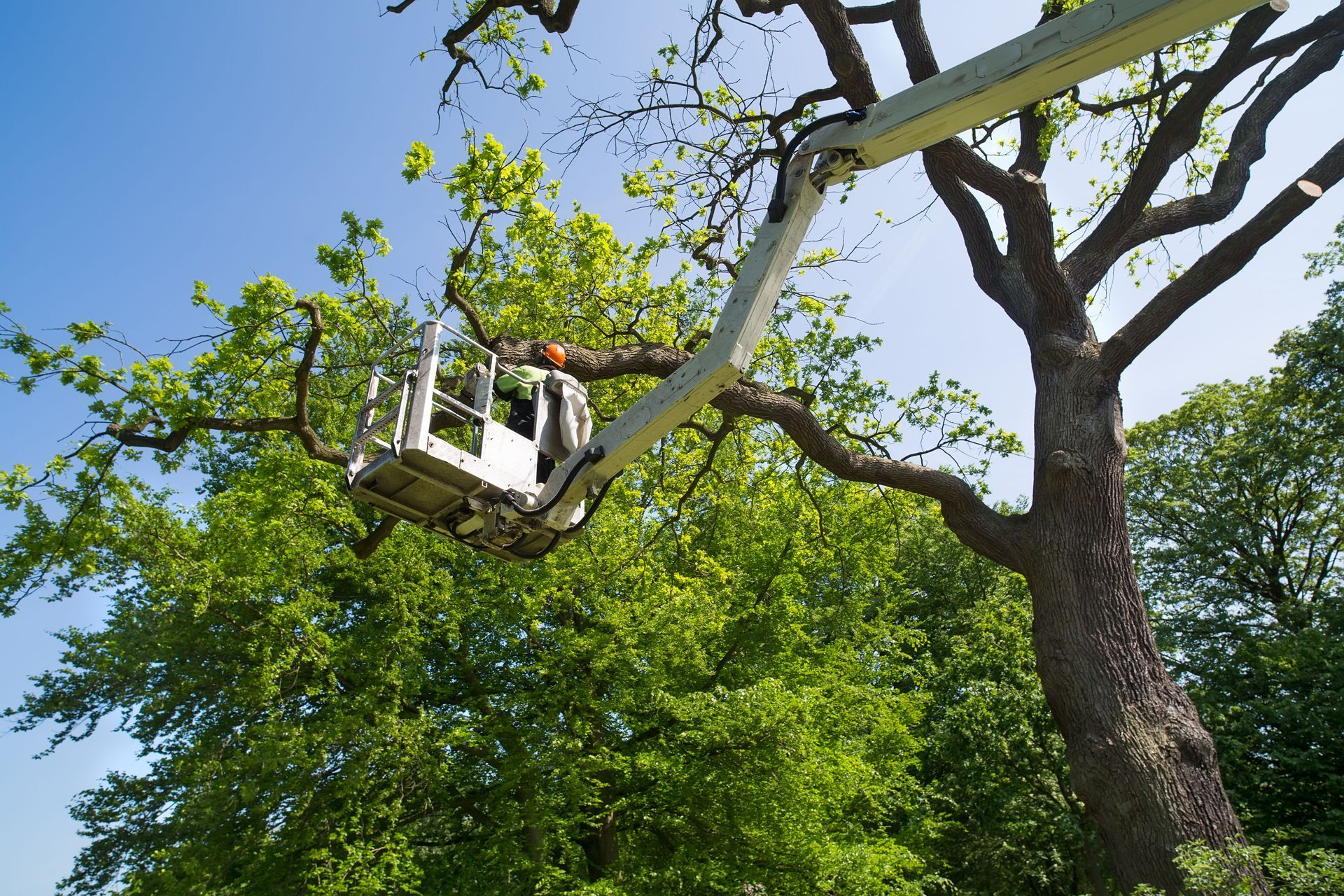
Dead or dying limbs often present a safety hazard because they can fall during storms or high winds. Branches that hang too close to your home, driveway, or power lines should also be addressed quickly. Structural issues, such as crossing branches or limbs with weak attachment points, may worsen without timely intervention. Additionally, signs of disease or insect infestations often require immediate pruning to prevent further spread.
By recognizing these urgent signals, you can take action quickly and protect both your property and your landscape. Even if emergency pruning does not align with the ideal seasonal schedule, a local tree company ensures the work is completed safely and correctly.
Considering Growth Goals When Planning a Pruning Schedule
Every landscape has unique goals, whether you want fuller shrubs, stronger trees, more blooms, or a tidier appearance. These goals help determine the best time to prune. A local tree company will consider your long-term objectives and tailor their recommendations accordingly.
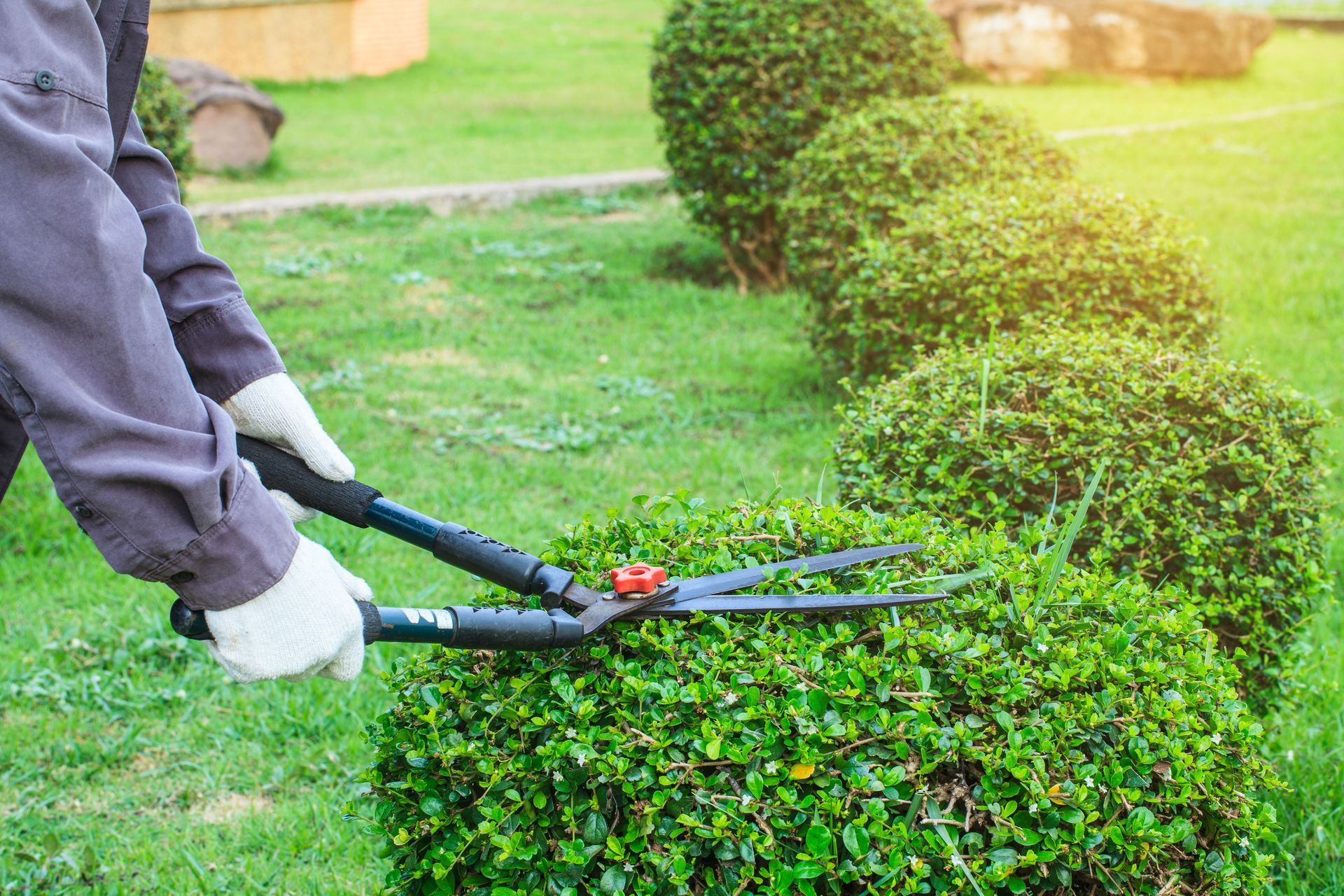
If your priority is shaping and structural correction, winter pruning may be the best option because it allows specialists to reshape the plant without interfering with active growth. If your goal is to enhance flowering, the pruning schedule will depend on whether the plant blooms on old or new wood. For fruit trees, pruning may focus on improving fruit size and yield. Shrubs used as privacy screens may require a different maintenance schedule than ornamental shrubs used primarily for aesthetic purposes.
By aligning your goals with the natural growth cycle of your plants, you can achieve better long-term results. A local tree company helps you create a pruning schedule that supports health and aesthetic appeal.
Learning How Local Climate Influences Pruning Needs
Climate conditions vary widely by region, and local weather can dramatically influence pruning timing. Temperature fluctuations, humidity levels, storm frequency, and seasonal rainfall patterns all affect how trees and shrubs respond to pruning. A local tree company offers informed guidance based on the unique environmental factors in your area.
For example, regions prone to heavy storms may require more frequent inspections and corrective pruning to prevent limb failures. Areas with high humidity may be more susceptible to fungal issues, which means pruning should occur during drier weather to reduce disease risk. In particularly cold climates, certain species may need to be pruned later in the winter to avoid freeze damage. In warmer climates, plants may have longer growing seasons and require multiple pruning sessions each year.
Working with professionals who understand your microclimate ensures that trees and shrubs receive care that aligns with local environmental conditions.
Monitoring Growth Patterns to Maintain Long-Term Plant Health
Consistent monitoring helps determine not only when to prune but also how often. Trees and shrubs grow at different rates depending on species, age, soil health, and available sunlight. A local tree company can track these growth patterns and make informed decisions about timing and technique.
Young trees often require structural pruning to encourage strong branch formation, while mature trees may need maintenance pruning to remove deadwood and thin dense canopies. Shrubs can become overgrown if not pruned regularly, which can reduce airflow and sunlight exposure. This creates an environment where pests and diseases thrive.
Monitoring growth also helps identify changes in your landscape that affect pruning needs. For example, newly built structures or changing sun exposure may require adjustments in how frequently or heavily shrubs are pruned.
Scheduling Professional Inspections to Stay Ahead of Problems
Many homeowners do not recognize pruning needs until trees or shrubs show visible signs of distress. Regular inspections can prevent issues before they escalate. A local tree company can detect early indicators of disease, pest damage, or structural weaknesses that might go unnoticed by an untrained eye.
These inspections also help establish a predictable maintenance plan. Instead of reacting to problems, you adopt a proactive approach that protects plant health and reduces long-term costs. Early detection allows for precise, timely pruning and other treatments that support vigorous growth.
Routine evaluations also contribute to safer outdoor spaces by identifying potential hazards before they become dangerous. This proactive care is one of the most effective ways to extend the lifespan of your trees and shrubs.
Timing matters when it comes to pruning trees and shrubs. Seasonal cycles, species differences, climate conditions, and long-term growth goals all influence when pruning should be scheduled. By understanding the optimal timing and recognizing urgent signs that indicate immediate attention, you can maintain a healthier and more beautiful landscape. A local tree company provides the expertise needed to assess your plants, recommend appropriate pruning schedules, and support long-term plant health. If you want reliable guidance and professional care for your trees and shrubs, contact Wade's Tree Service.