April 23, 2026
Understanding when to prune a tree instead of removing it is crucial for maintaining a healthy landscape. Pruning can enhance a tree's health, safety, and appearance, while removal should be considered when a tree is no longer structurally sound or poses a risk. This article explores the scenarios and criteria that help determine when pruning is the more appropriate option.
Clear Understanding of Tree Health
Observe General Growth Patterns
Tree health is a key factor when deciding between pruning and removal. A healthy tree typically shows strong branch structure, consistent growth, and full foliage. Careful evaluation of these indicators helps determine whether the tree can continue to thrive with maintenance or if more extensive action is needed. A professional tree service often begins with a visual inspection of canopy density and branch distribution.
General observation of a tree's condition often begins with looking at how evenly the canopy is developed and whether branches are growing in a balanced pattern. These visual cues can help indicate whether the tree is maintaining steady growth or if certain areas may need attention over time. Even subtle changes in appearance can be useful when assessing overall condition. A tree service may use these observations to guide next steps in care planning.
Address Localized Branch Issues
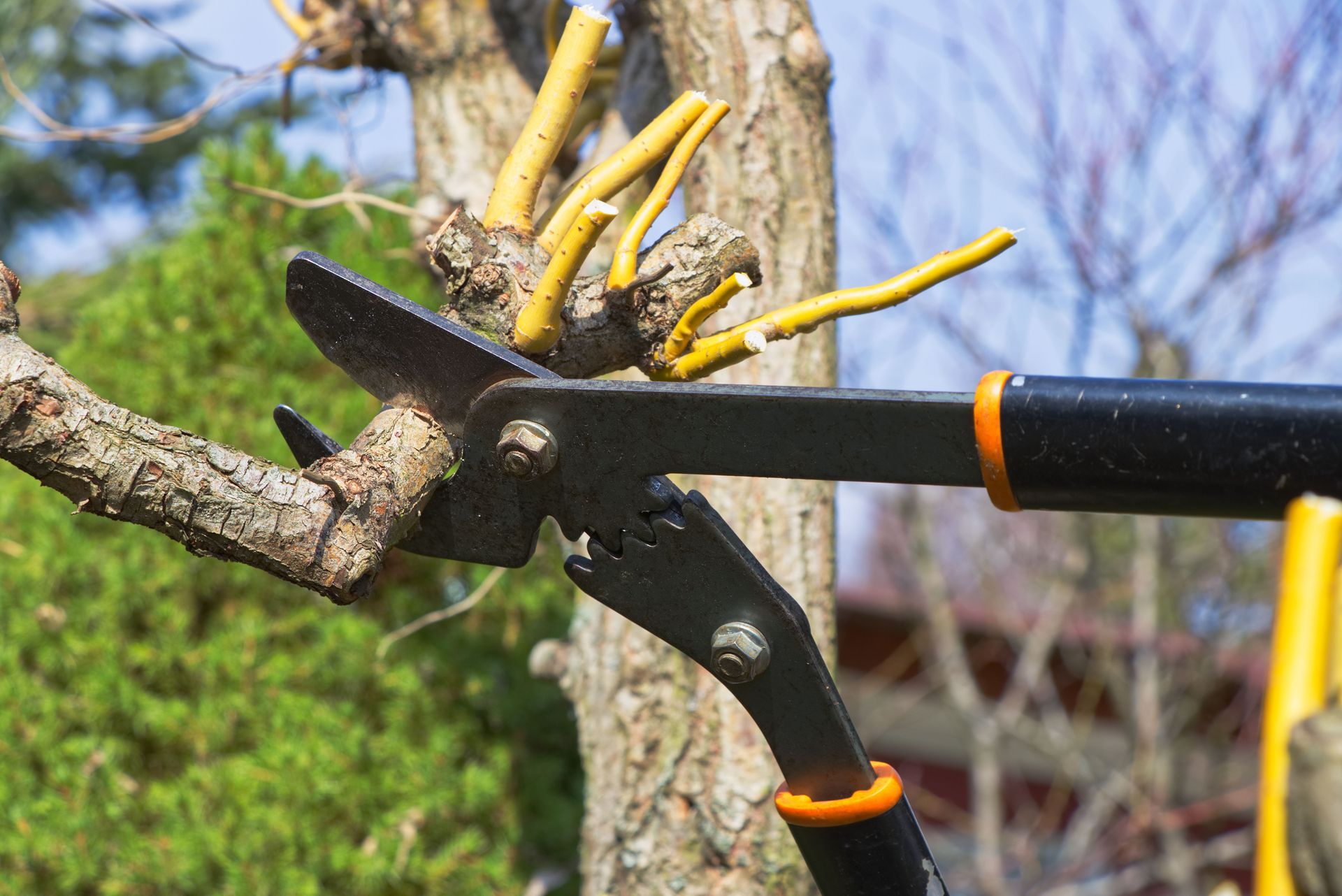
Some health issues can often be addressed through targeted pruning. For example, removing dead, damaged, or diseased branches can help improve the overall condition of the tree. This allows the healthier portions of the tree to receive more nutrients and continue developing properly. Selecting the right branches for removal is important to avoid unnecessary stress on the tree, and a tree service may help identify these areas.
Support Long-Term Structure
Consistent pruning can also help improve long-term tree stability by reducing overcrowding and encouraging balanced growth. By managing problem areas early, trees are more likely to maintain their structure and vitality over time. Regular maintenance can reduce the likelihood of more extensive interventions later. A tree service can assist in planning recurring maintenance when needed.
Routine evaluations also help identify changes that may not be immediately obvious from a distance. This includes shifts in branch density or areas where growth appears uneven. Keeping track of these changes over time can help guide ongoing care decisions. A tree service may document these observations during scheduled visits.
Careful Consideration of Safety Factors
Manage Immediate Hazards
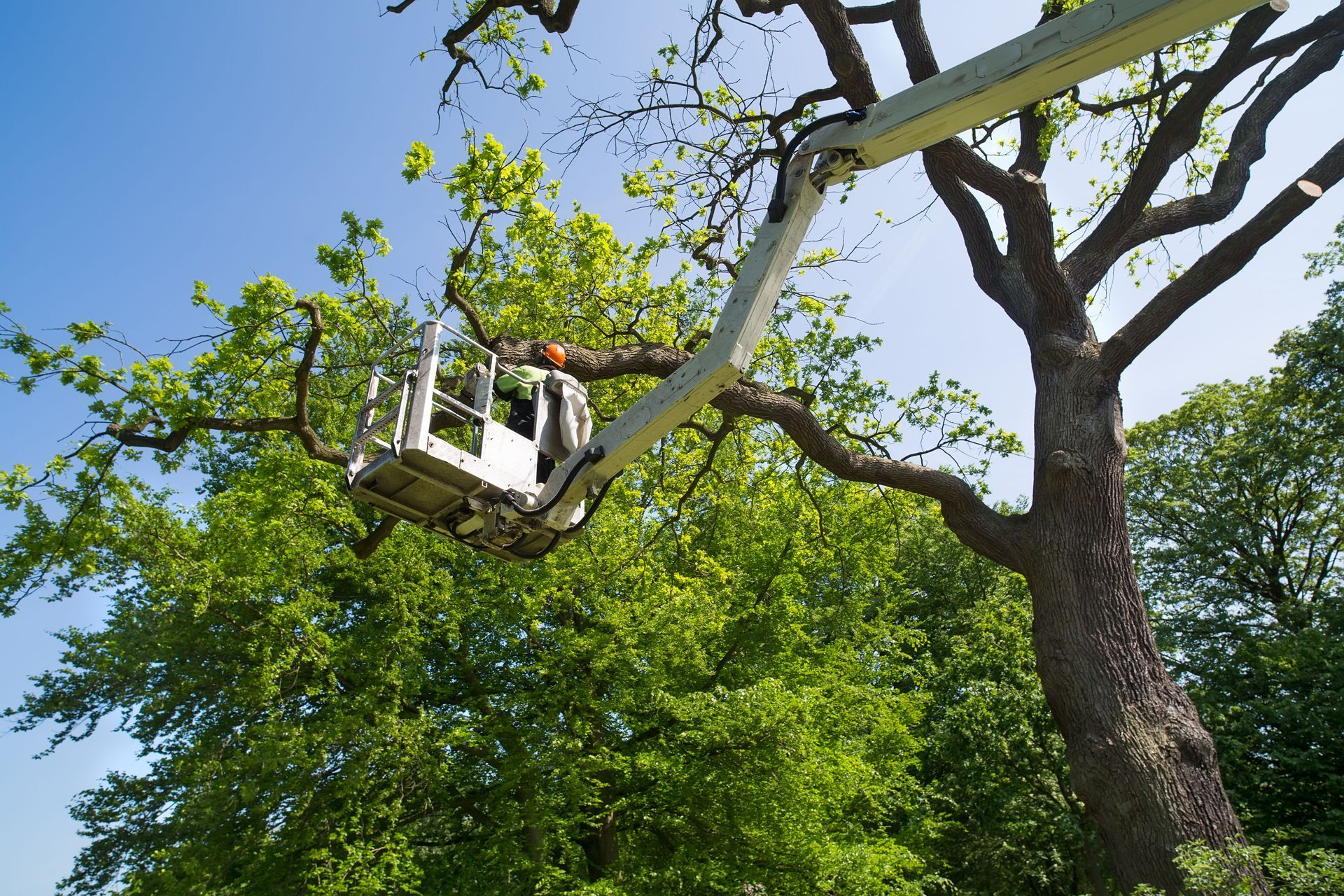
Safety is one of the most important factors when evaluating whether pruning is sufficient. Weak, hanging, or damaged branches can create hazards if left unaddressed. In many cases, removing these branches through pruning can reduce risk while preserving the rest of the tree. A tree service is often called to evaluate and address these concerns.
Monitor High-Risk Locations
Trees located near structures, driveways, or utility lines require additional attention. Overgrown branches in these areas may interfere with nearby infrastructure or create safety concerns. Strategic pruning helps manage clearance and reduces the chance of damage or obstruction while maintaining the tree whenever possible. A tree service often evaluates these proximity risks.
These types of locations often require ongoing monitoring, since growth can gradually extend into restricted areas. Even when a tree is initially well-positioned, natural expansion over time may bring branches closer to structures or access points. Addressing these changes early helps maintain safe spacing. A tree service may schedule periodic inspections for this purpose.
Balanced Evaluation of Environmental and Aesthetic Benefits
Improve Canopy Form
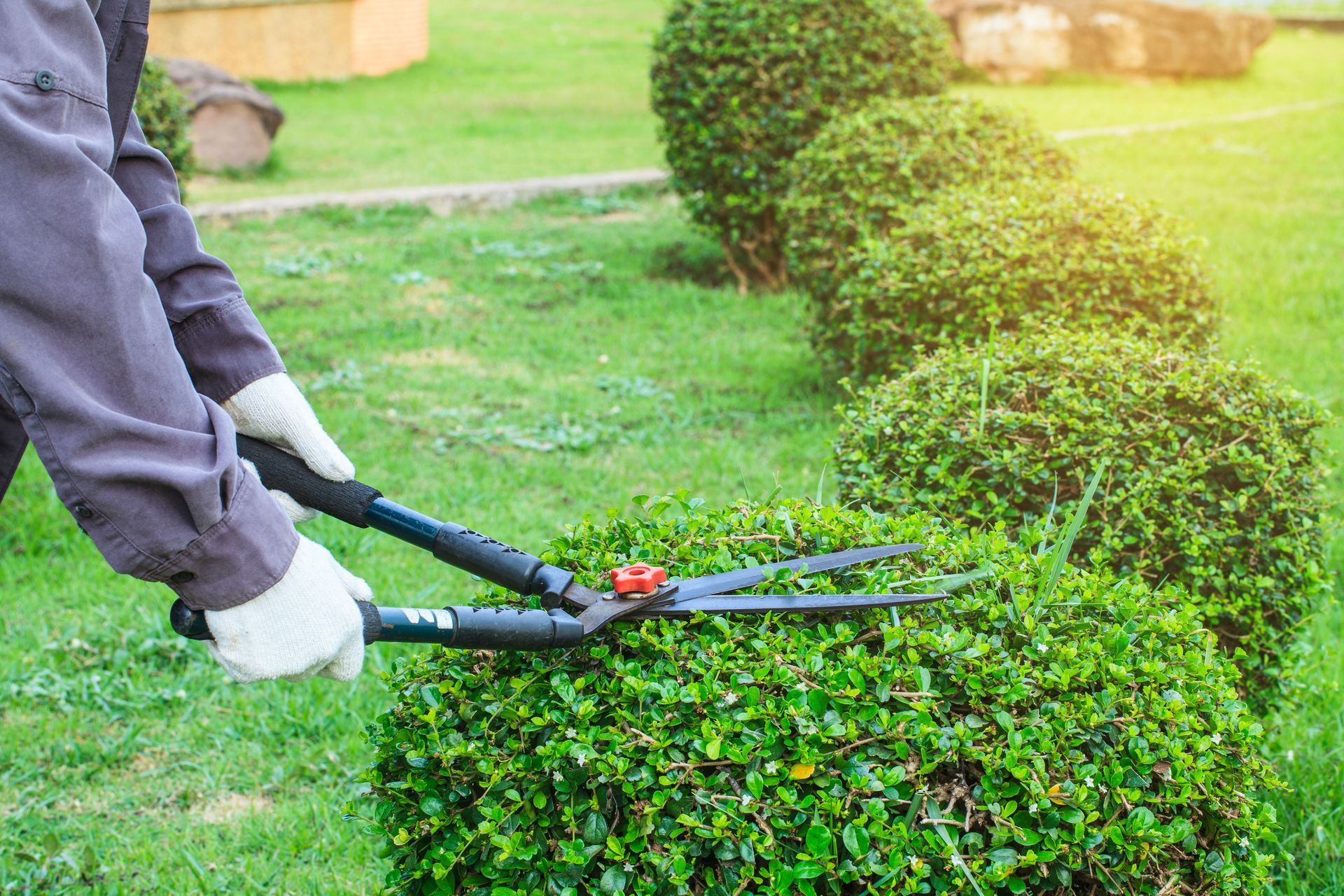
Pruning can improve the overall shape and balance of a tree by selectively removing branches that disrupt its natural structure. This helps maintain a visually appealing canopy while supporting healthier growth patterns. A tree service may perform shaping work to achieve this balance.
Balance Light Distribution
Proper pruning also allows for better light distribution through the canopy. This benefits both the tree and surrounding plants by creating more balanced growing conditions. Improved light access can support healthier landscapes overall. A tree service may evaluate canopy density to improve light flow.
In shaded environments, even small openings in the canopy can influence how light moves through a space. These adjustments can help vegetation receive more consistent exposure throughout the day. The result is often a more balanced growing environment overall. A tree service may recommend selective thinning where appropriate.
Practical Analysis of Economic Impacts of Pruning Versus Removal
Compare Maintenance Approaches
In many cases, pruning is a more cost-effective approach than full tree removal. It allows property owners to address concerns while preserving the existing tree, avoiding the additional work involved in removal and site cleanup. A tree service may help evaluate which option is more appropriate.
Reduce Long-Term Issues
Regular maintenance through pruning can also help prevent larger issues from developing over time. Addressing early signs of damage or decline can reduce the likelihood of more extensive work later, helping maintain landscape stability and avoid unnecessary costs. A tree service may identify early warning signs during inspections.
Timely Planning of Seasonal Considerations for Pruning
Time Maintenance Strategically
The timing of pruning can affect how well a tree responds to maintenance. Many trees benefit from pruning during dormant periods when growth activity is reduced. This allows them to recover more efficiently after branches are removed. A tree service may schedule work based on seasonal conditions.
During slower growth periods, trees often redirect energy in ways that support recovery and gradual renewal. This timing can help create conditions where pruning has less impact on active growth cycles. Seasonal awareness plays a role in planning maintenance effectively. A tree service may adjust timing based on tree type and condition.
Account for Species Differences
Different tree types may respond better to pruning at different times of the year. Understanding seasonal growth patterns helps ensure that maintenance supports healthy development rather than interfering with it. A tree service may tailor care plans based on species needs.
Responsible Examination of Ethical and Conservation Considerations
Preserve Mature Trees
Preserving mature trees contributes to maintaining established landscapes and supporting long-term environmental benefits. In many cases, pruning allows trees to remain part of the environment while still addressing structural or safety concerns. A tree service may prioritize preservation when conditions allow.
Maintain Environmental Benefits
Maintaining existing trees also supports broader environmental goals, including shade provision and habitat preservation. Trees play an important role in local ecosystems, and pruning helps extend their lifespan while managing growth responsibly. According to the U.S. Department Of Agriculture, approximately 25% of residential property owners had removed one or more trees from their property within a recent five-year period. A tree service may help sustain these benefits through regular care.
Ongoing care can also help maintain the functional benefits trees provide, such as cooling shade and natural coverage. These benefits often develop gradually and can continue over long periods when trees are properly maintained. A tree service may recommend maintenance schedules to support these outcomes.
Pruning is often the preferred option when a tree is in suitable condition to respond well to ongoing maintenance and does not present major structural concerns. It helps maintain tree health while supporting safety, appearance, and the overall balance of the surrounding landscape. Knowing when to prune vegetation instead of removing it allows property owners to make more informed decisions that support long-term outcomes. Each situation should be assessed based on the tree's condition, placement, and overall stability. To learn more about tree trimming, pruning, removal, stump grinding, emergency tree services, and land clearing solutions, Wade's Tree Service offers support for both residential and commercial properties.