October 27, 2026
Trees provide shade, privacy, and visual character, but damaged or poorly maintained branches can create serious risks. Heavy limbs may hang over roofs, driveways, vehicles, sidewalks, or outdoor gathering areas, while decaying trunks can become unstable as they age. A professional tree service helps property owners identify hazards and determine which issues require attention. By assessing a tree's condition and surroundings, trained crews can recommend work that addresses safety concerns while considering the health of nearby trees.
Tree-related risks are not always obvious from the ground. Internal decay, root problems, storm damage, and weak branch unions may affect stability before visible signs become severe. Qualified professionals have the experience and equipment to evaluate these concerns and plan suitable work. Their assessment helps property owners make informed decisions about pruning, monitoring, or removal when a tree presents an unacceptable risk.
Maintaining Healthy Growth and Tree Structure
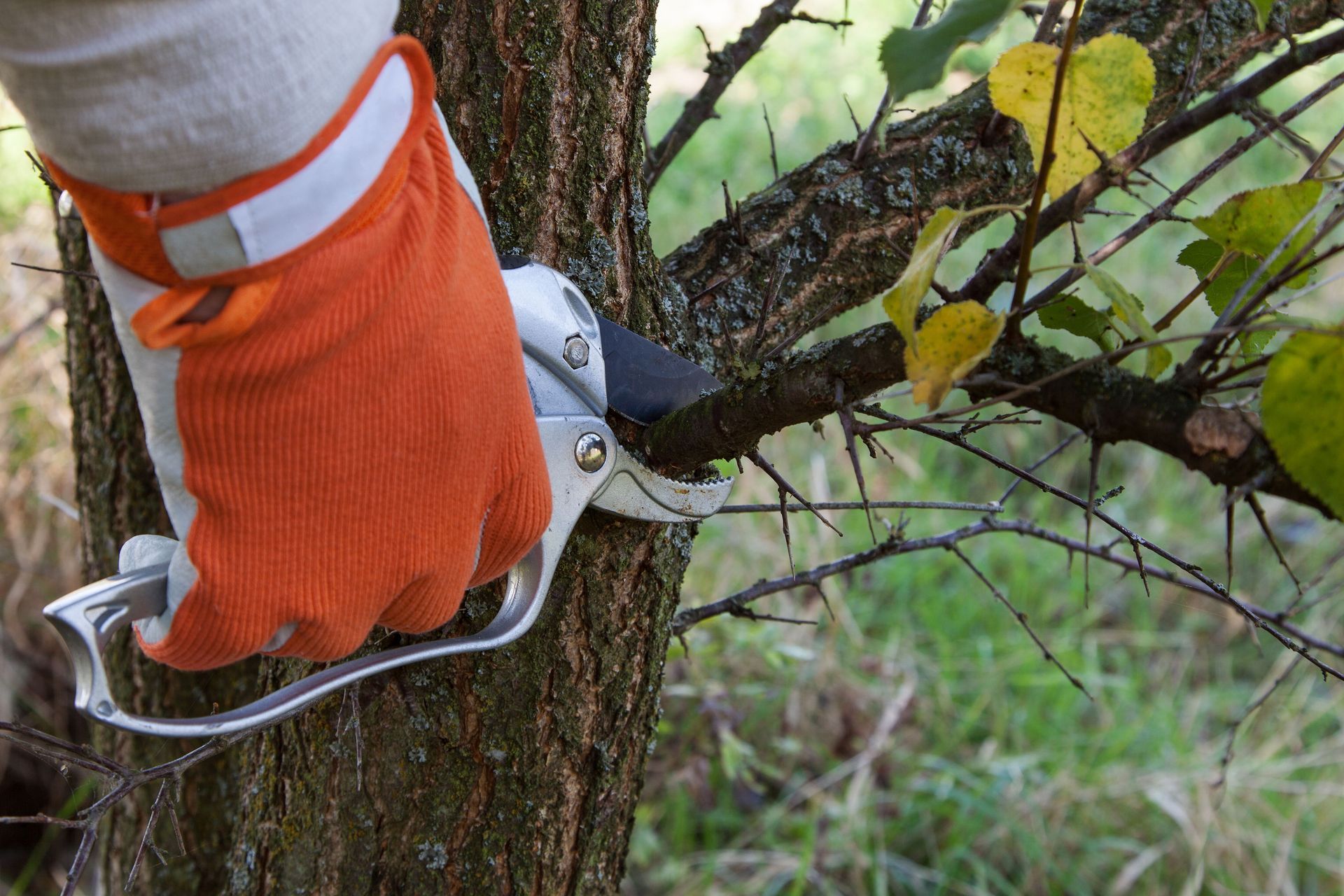
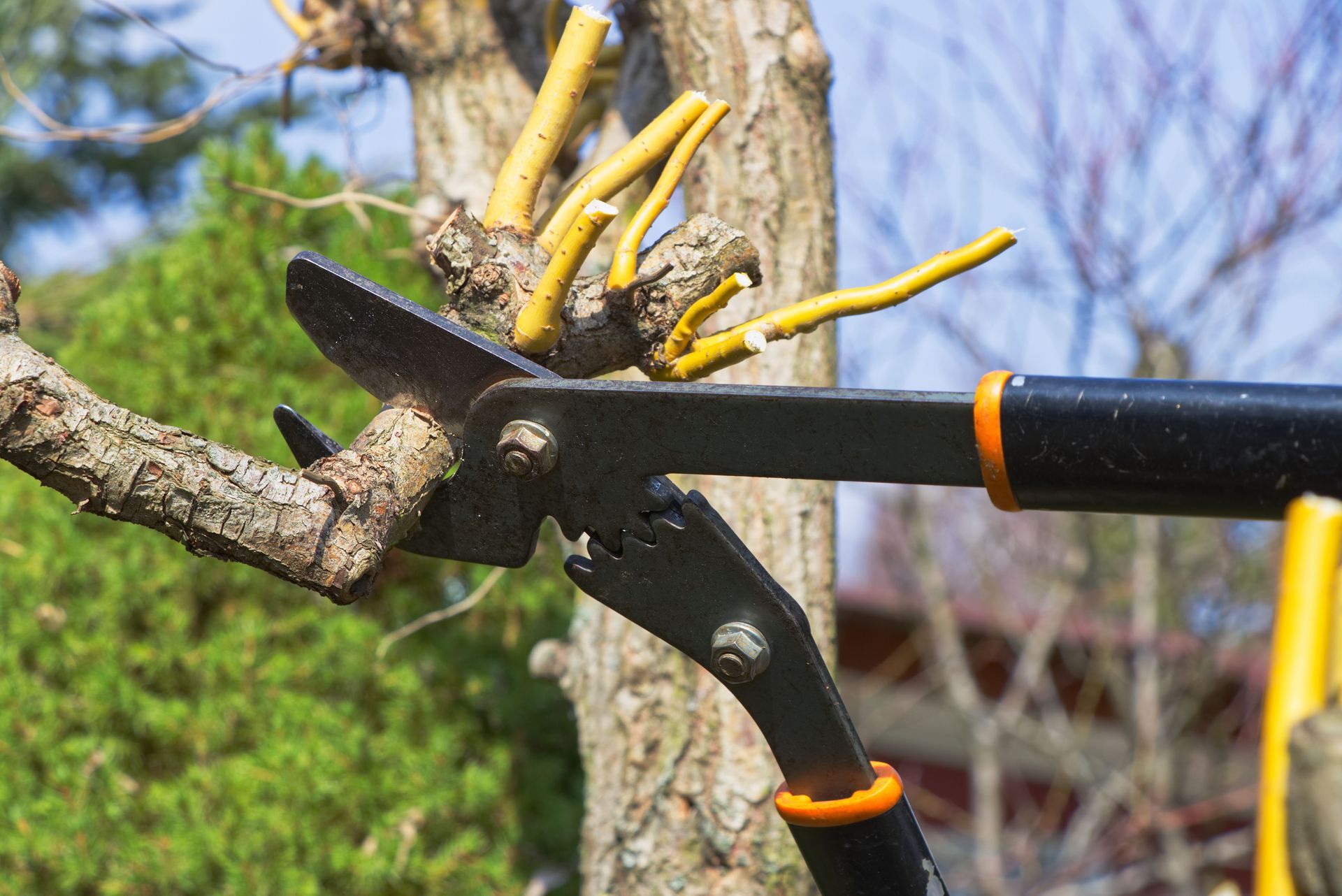
Routine care can help trees develop balanced structures and reduce problems caused by dead, diseased, crossing, or poorly positioned branches. Professional pruning is not simply about making a tree smaller or changing its appearance. The type, location, and amount of growth removed can affect how a tree responds over time, so the work should account for its species, age, condition, and seasonal factors. An experienced crew can identify which branches are appropriate to remove while preserving the tree's natural form.
Well-planned maintenance may also help limit damage during strong winds or heavy precipitation, although no pruning can make a tree completely storm-proof. Removing compromised limbs can reduce unstable material in the canopy, while inspections can reveal concerns requiring further attention. A tree service provider can recommend a maintenance schedule based on the property's trees and exposure to environmental stress. This approach supports long-term landscape care instead of waiting until a visible problem becomes urgent.
Managing Storm Damage and Emergency Risks
Severe weather can split trunks, break large limbs, uproot trees, or leave branches suspended above areas people use. These conditions may create immediate dangers for residents, employees, visitors, and emergency responders. Professional emergency crews evaluate the scene, identify unstable material, and establish a work plan that accounts for nearby structures and access routes. Their specialized equipment and coordinated procedures are particularly important when a damaged tree is under tension or resting against a building.
According to Simple Spring, emergency tree services and tree felling that includes stump removal each represent approximately 24% of the tree trimming service industry. This highlights the substantial role that urgent response and removal-related work play alongside routine pruning. After a storm, a professional assessment can help determine whether a tree can remain, requires corrective work, or must be removed. Property owners should keep clear of unstable trees and contact emergency services when an immediate threat affects public safety.
Improving Property Appearance and Outdoor Usability
Overgrown branches, deadwood, and neglected trees can make a landscape look untidy and interfere with outdoor activities. Professional trimming can restore a more balanced canopy, improve clearance over paths and driveways, and reduce branches that block windows or lighting. A well-maintained tree can remain a prominent landscape feature while fitting more appropriately around buildings and outdoor spaces. The objective is to preserve useful growth while addressing conditions that affect appearance or function.
Tree work can also help property owners make better use of yards, business grounds, and shared outdoor areas. Removing a tree that is dead, severely damaged, or poorly located may create room for planned improvements, while stump grinding can reduce an obstruction left after removal. Each property has different priorities, and the appropriate scope depends on tree condition and the surrounding landscape. A professional assessment connects the desired result with work that suits the site.
Protecting Buildings and Nearby Infrastructure
Trees growing close to buildings, fences, walkways, and utility infrastructure may require careful management as their canopies and roots expand. Branches that contact roofs or siding can scrape surfaces, block gutters, or create access points for pests, while limbs near power lines pose additional risks. Roots may also affect paved areas and underground features, depending on the species, soil conditions, and available growing space. Professional evaluation helps clarify which concerns are related to the tree and what maintenance may be appropriate.
Distance alone does not determine whether a tree is hazardous. Its condition, direction of growth, branch structure, root stability, and the areas beneath it all influence risk. A trained crew can plan pruning or removal with attention to nearby structures and the movement of heavy limbs. Work near energized electrical lines should be handled by appropriately qualified utility professionals rather than a tree crew operating outside its training or authorization.
Removing Trees and Stumps With Care
Some trees become unsafe or unsuitable for their location because of advanced decay, extensive storm damage, disease, or structural failure. In other cases, removal may be necessary for a property improvement or to prevent recurring interference with buildings and access areas. Tree removal involves more than cutting through a trunk; crews must consider how each section will move, where it can be lowered, and how to limit damage to surrounding property. Tree size, location, access constraints, and nearby hazards determine the methods and equipment required.
Stump removal or grinding addresses the remaining base after a tree has been taken down. A stump may obstruct mowing, landscaping, construction, or everyday movement through a yard, and it can detract from the site's appearance. Professional crews can explain available options and how each approach may affect the surrounding soil and landscape. They can also discuss debris handling and cleanup so property owners understand what to expect after the work is complete.
Reducing Risk Through Professional Equipment and Planning
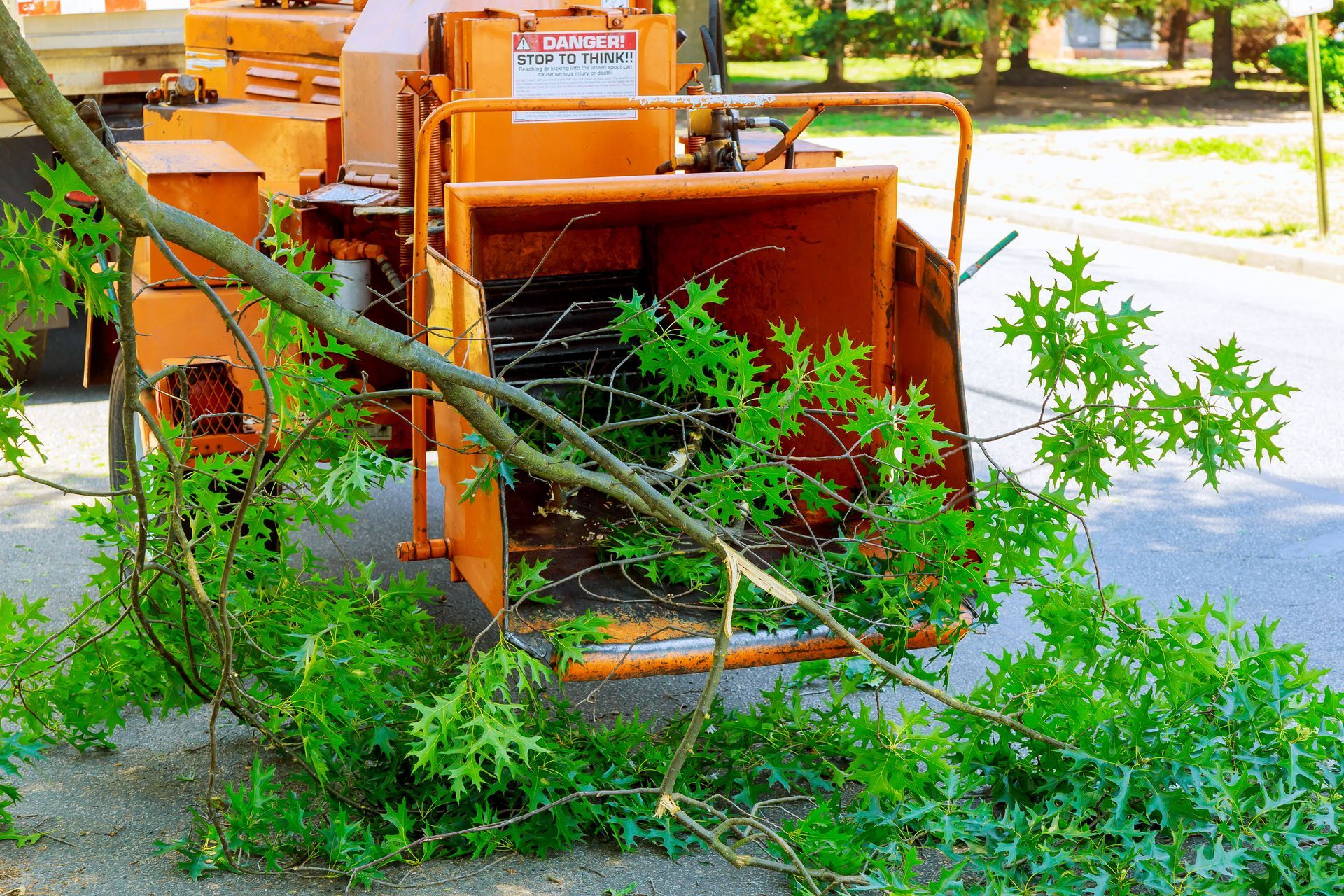
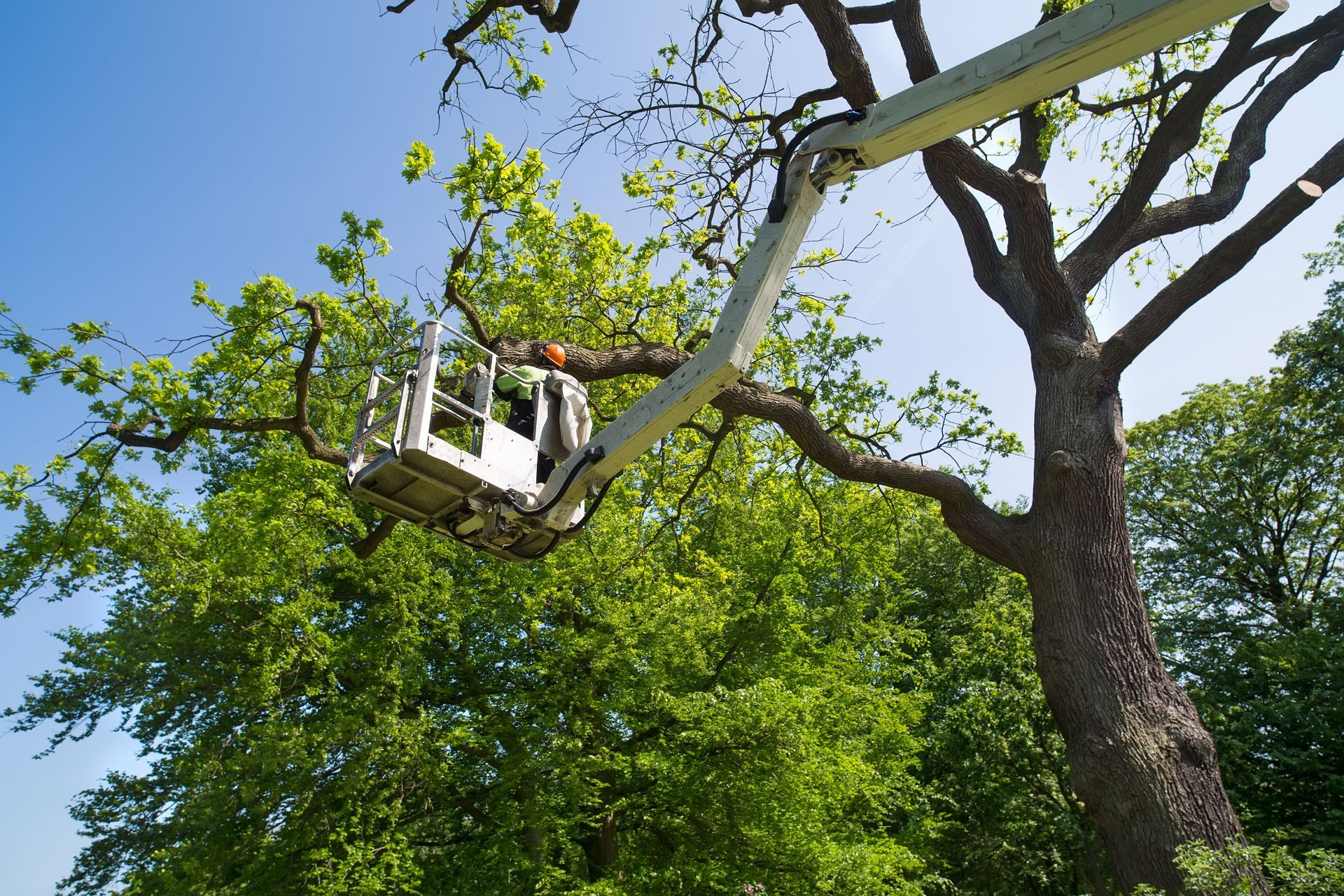
Tree work often involves chainsaws, elevated work platforms, rigging systems, chippers, and heavy equipment used around structures and people. Operating these tools in a tree canopy or near falling limbs requires training, coordination, and an understanding of how loads and branches may move. Professional teams assess access, establish work zones, and choose equipment based on the specific task. Their planning helps control hazards that are difficult to manage without specialized experience.
Hiring a qualified
tree service also provides a clear point of coordination for the project. Before work begins, property owners should receive an explanation of the recommended scope, expected schedule, access requirements, and cleanup arrangements. It is reasonable to ask about relevant qualifications, insurance coverage, and experience with comparable projects. Clear communication helps ensure that the crew and property owner understand the priorities, limitations, and expected outcome before work starts.
Trees deserve careful attention because their condition can affect property safety, appearance, and outdoor usability. From routine pruning and hazard assessments to storm cleanup, tree removal, and stump work, professional support helps ensure that each job is planned for its specific conditions. The right approach depends on the tree, nearby structures, and the property's needs. Working with an experienced crew can make it easier to understand available options and plan the work responsibly.
Wade's Tree Service can help you assess your trees and determine which services fit your property. Our team can discuss concerns involving damaged limbs, overgrown canopies, storm-related hazards, or stumps that interfere with outdoor areas. We focus on planning the work around site conditions and communicating what the project involves. Contact Wade's Tree Service to discuss your tree care needs and take the next step toward maintaining a safer, well-managed landscape.